

It is the final step: going from foreign resident to Mexican citizen, with a Mexican passport and full rights. The procedure is not handled by the INM but by the Ministry of Foreign Affairs, and you must file your application with the required documents and pass the exam on Mexican history and culture, as well as the Spanish comprehension test.



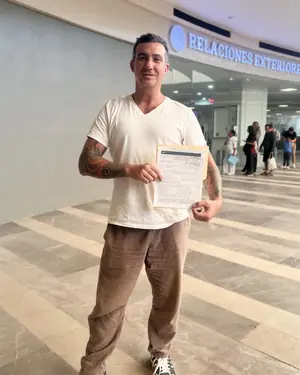








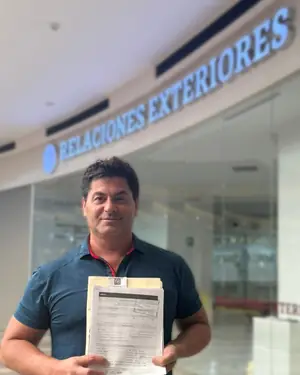
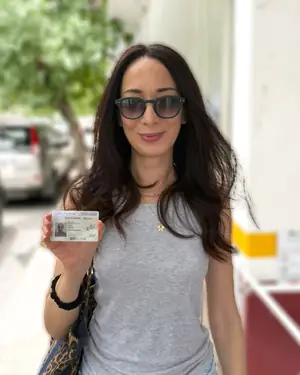
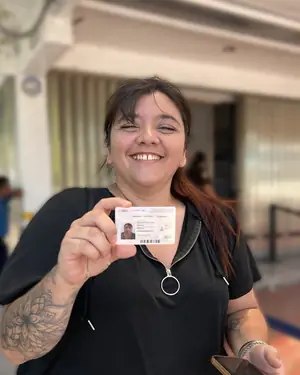



The general route: five years of continuous legal residency in Mexico immediately preceding the application.
The law provides for shorter periods in several cases, including being a national of a Latin American or Iberian country, being married to a Mexican citizen, or having Mexican children by birth. Each case is a distinct type of application.
For those who have performed outstanding work or services in cultural, social, scientific, technical, artistic, sporting or business matters.
Beyond the documents, there are the exams.
The SRE checks that you have the years of continuous legal residency your route requires, that your record of entries and exits does not break that continuity, and that your immigration record matches what you present to the SRE.
Apostilled documents translated by an official translator in Mexico, local and federal criminal record certificates, and the declaration of entries and exits. It is the hardest stage to get right, because if anything does not match your application is rejected.
The application is filed and the exams are taken the same day.
You have to show that you speak Spanish, that you know the country's history and that you are integrated into its culture. Refugees, minors and people over sixty only take the Spanish comprehension test.
With a favourable decision the Naturalisation Certificate is issued, and with it you can apply for your INE, the document required to apply for your Mexican passport.
The Ministry of Foreign Affairs requires, among other things:
It is the first thing everyone asks, and it usually comes with more fear than it deserves. They are two different things: showing that you speak Spanish, and showing that you know the history and culture of Mexico.
The history and culture exam is prepared with a study guide we provide, based on the history of Mexico, its geography, national symbols, key episodes of its history and internationally known events. It is not a degree-level exam, it is a defined syllabus. Anyone who has lived in Mexico for years already has half the exam passed without knowing it.
There are important exemptions: refugees, minors and people over sixty only take the Spanish comprehension test.
Time spent in Mexico as a tourist does not count, nor do the periods when your document was expired, nor the case where you lost your residency, came back and regularised your status. What counts are the years with valid residency.
You do not need to have been a permanent resident. The years as a temporary resident count, as long as your residency was valid throughout and you have had no regularisations.
You must submit a declaration of entries and exits for the previous two years. Extended absences can break continuity.
Being a national of a Latin American or Iberian country, being married to a Mexican citizen, or having Mexican children by birth all open shorter timeframes. Each is a distinct type of application with its own file.
Mexico allows dual nationality, so on the Mexican side you don't have to renounce anything. The real question is what your country of origin says, and there the rules vary enormously: some accept it without issue, others require additional steps, and a few don't allow it at all.
It's a check worth doing at the start of the process rather than at the end, once you've already sat the exams.
Mexico allows dual nationality. What you need to check is whether your country of origin allows it, because that part doesn't depend on Mexican law.
The general route requires five years of continuous legal residency immediately before your application. Several routes allow shorter periods; it is worth checking which one applies to you before counting the years.
Yes, residency counts both as temporary and as permanent status. What matters is that it is continuous and documented.
They are manageable and you prepare with the material set out in our study guide on the history and culture of Mexico. You need to pass with a minimum of 8 out of 10, and the answers are multiple choice.
They can: you always have to declare your entries and exits of the previous two years to the INM, and long absences can break the continuity of your residency.
Yes. With the Naturalisation Certificate you can apply for your INE and then your Mexican passport; we also accompany you through that procedure.
An initial consultation tells you exactly which route applies to you and on what timeline. We reply in Spanish, English and French.
 Write to Edéen