

Renewal is the simplest procedure of all and, at the same time, the one that causes the most trouble — for one reason: the calendar. Filing late can cost you the seniority you've built up.












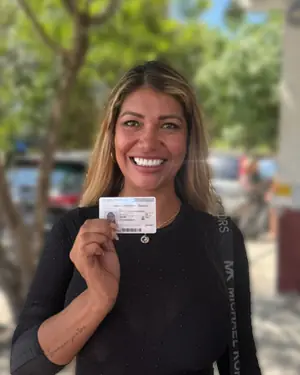




The first card is issued for one year. After that it's renewed for periods of one to three years, up to four in total.
Cards issued to minors are renewed periodically as they grow up. Adult cards don't expire.
In that case there is no renewal: you have to apply for the change from temporary to permanent resident before the expiry date.
You must apply for your renewal within the 30 days before your resident card expires. Appointments are currently requested online and availability is scarce, so starting to look for one 60 days before the expiry date is the wisest move.
The documents are gathered and it is checked that you still meet the same conditions under which your residency was granted, as well as your address and your place of work, your marital status and whether you have changed your name; any change triggers a different and mandatory procedure.
The application is filed at the office that corresponds to your home or your place of work.
The INM takes your fingerprints and photograph.
You receive your renewed card, valid for one, two or up to three years depending on what you applied for.
Renewing is simple. Renewing late is not. It's the difference between a routine procedure and a regularization with a fine, with your seniority at stake.
The practical advice: set the reminder the day you receive the card, not the month it expires. With two or three months of margin there is plenty of time to resolve any request from the INM. With two weeks, there is not.
There are three situations where what looks like a renewal is actually a different procedure, and confusing them costs time:
In that case there is no further renewal: you have to apply for the change from temporary resident to permanent resident through length of stay.
You had a Mexican child: then you have to apply for the change to permanent status through family unity.
If your card does not include a work permit, temporary residency on its own does not authorise you to work. It is a separate immigration procedure you have to apply for.
It is worth taking the time to check four things before starting: that you have your documents properly apostilled and translated by an official translator in Mexico and that none of them is about to expire, that your proof of address is recent, that your family or work circumstances have not changed, and that you have no pending notification to the INM of a change of address, marital status, nationality or name, because those notifications are mandatory too.
Before the card expires. The sooner you start, the more room you have to choose the date of your renewal appointment and to resolve any request from the INM without running out of time.
It stops being a renewal and becomes a regularization, with a fine and your seniority at risk. It has a solution, but it's a different and more expensive procedure.
Yes. After the first year it can be requested for one, two or three years.
With the procedure under way it's best not to leave without the exit-and-return permit, which exists for exactly that.
For our clients, yes. We keep track of the dates and give advance notice, because forgetting is the number one cause of the problems we see.
An initial consultation tells you exactly which route applies to you and on what timeline. We reply in Spanish, English and French.
 Write to Edéen